
Top Velvet Revolution Memorial Spots in Prague Center
Prague is a city defined by its resilient spirit. In 1989, the peaceful Velvet Revolution ended decades of communist rule here. Today, you can visit many communist history sites in Prague to honor this legacy. These landmarks tell a story of courage and hope. Walking through the center, you will find moving tributes to freedom. This guide highlights the most significant Velvet Revolution memorial spots in Prague center for your 2026 visit.
Quick Picks: Top Velvet Revolution Memorials
If you have limited time, focus on these top selections. They offer the most impact for visitors interested in modern history. These spots are all located within the main tourist zones. You can easily fit them into a single afternoon walk.
- Best Overall: Memorial to the Velvet Revolution (Národní třída)
- Best for Families: Wenceslas Square
- Best Rainy Day: Museum of Communism
- Best Free Site: Jan Palach Memorial
9 Essential Velvet Revolution Memorial Spots in Prague Center
Prague's center is an open-air museum of the 20th century. Each of these spots played a vital role in the 1989 events. They range from massive public squares to small, bronze plaques. Use this list to plan your historical journey through the city.
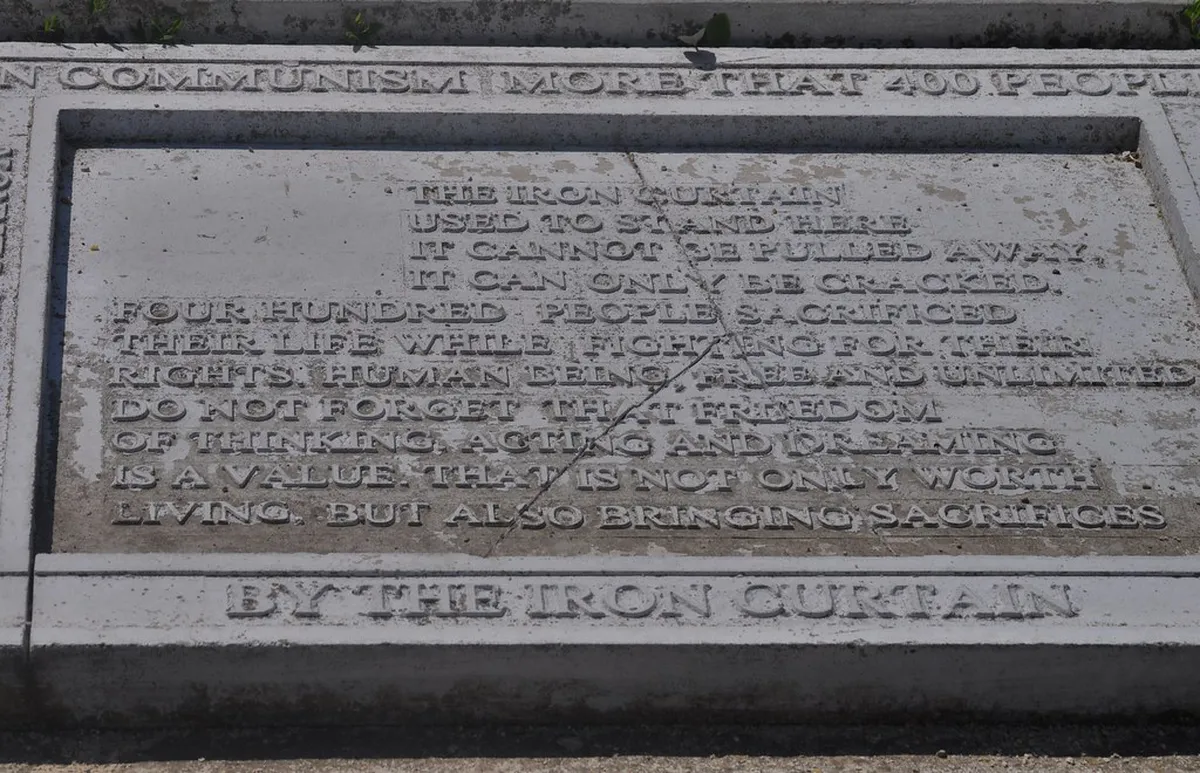
- Name: Memorial to the Velvet Revolution Type: sight Why go: This is the most iconic memorial in the city. It features bronze hands reaching out from a wall. It marks where police stopped student protesters on November 17, 1989. Best for: History buffs Where: Národní třída (under the arches) Time: 15 minutes Cost: Free Getting there: Take Tram 9, 18, or 22 to Národní třída stop. Tip: Look for the fresh flowers and candles often left by locals here.
- Name: Wenceslas Square Type: sight Why go: This was the heart of the revolution. Hundreds of thousands of people gathered here to demand change. It is a symbol of Czech statehood and resistance. Best for: Everyone Where: New Town Time: 30-60 minutes Cost: Free Getting there: Metro lines A or B to Můstek or line C to Muzeum. Tip: Visit the Visit Czechia portal for details on seasonal events held here.
- Name: Melantrich Building Balcony Type: sight Why go: From this balcony, Václav Havel and Alexander Dubček addressed the crowds. Their speeches signaled the end of the old regime. It is a powerful spot for photography. Best for: Photographers Where: Wenceslas Square 36 Time: 10 minutes Cost: Free (view from outside) Getting there: Short walk from Můstek metro station. Tip: The building now houses a department store, but the balcony remains unchanged.
- Name: Museum of Communism Type: museum Why go: This museum provides the necessary context for the revolution. It covers daily life, politics, and the secret police. It is one of the top Museum of Communism experiences in Central Europe. Best for: Deep historical context Where: V Celnici 4 Time: 2 hours Cost: Approximately 380 CZK Getting there: Near Náměstí Republiky metro station. Tip: Don't miss the section on the 1989 protests near the exit.
- Name: National Museum (Bullet Holes) Type: museum Why go: While the museum is grand, its facade tells a darker story. You can still see repaired bullet holes from the 1968 Soviet invasion. This event set the stage for the 1989 revolution. Best for: Architecture lovers Where: Top of Wenceslas Square Time: 1-2 hours Cost: Around 280 CZK for entry Getting there: Metro Muzeum station. Tip: Check the National Museum website for current temporary history exhibits.
- Name: Jan Palach and Jan Zajíc Memorial Type: sight Why go: This bronze cross is embedded in the pavement. It honors students who sacrificed themselves to protest the occupation. It is a somber but essential stop. Best for: Quiet reflection Where: In front of the National Museum Time: 5 minutes Cost: Free Getting there: Metro Muzeum station. Tip: The memorial is easy to miss, so look closely at the ground.
- Name: Havel’s Place (Memorial Bench) Type: experience Why go: This unique memorial consists of two chairs and a table around a tree. It honors Václav Havel, the leader of the revolution. It encourages public dialogue and reflection. Best for: Fans of Václav Havel Where: Maltézské náměstí Time: 15 minutes Cost: Free Getting there: Short walk from Charles Bridge on the Lesser Town side. Tip: It is a great spot to sit and read about Czech history.
- Name: Albertov Type: sight Why go: This is where the student march actually began on November 17. It is located in a quiet university district. A plaque here commemorates the start of the path to freedom. Best for: Off-the-beaten-path travelers Where: Albertov street Time: 20 minutes Cost: Free Getting there: Tram 18 or 24 to Albertov stop. Tip: Follow the tram tracks toward the center to trace the students' original route.
- Name: Laterna Magika Type: experience Why go: This theater served as the headquarters for the Civic Forum. This was the political group led by Havel during the revolution. It was the nerve center of the 1989 events. Best for: Culture seekers Where: Národní 4 Time: 10 minutes (outside) or 2 hours (show) Cost: Free to view outside Getting there: Next to the National Theatre tram stop. Tip: Catch a performance here to see avant-garde theater in a historic venue.
Planning Your Velvet Revolution History Walk
Most Velvet Revolution memorial spots in Prague center are within walking distance. Start at the National Museum and walk down Wenceslas Square. Then, head toward Národní třída to see the main memorial. This route takes about two hours at a leisurely pace. It is a great way to find authentic experiences in Prague while learning history.
Prague is very safe for walkers in 2026. However, always stay aware of your surroundings in crowded squares. Wear comfortable shoes as many streets are cobblestone. For official maps and updates, visit the Prague.eu tourism portal. This will help you find any new plaques or temporary exhibits.
Frequently Asked Questions
What is the most important Velvet Revolution site in Prague?
The memorial on Národní třída is considered the most important site. It marks the exact location where the police crackdown triggered the revolution. Visitors often leave candles here to honor the students who stood up for freedom in 1989.
Are Velvet Revolution sites free to visit?
Most outdoor memorials and squares are free to visit at any time. This includes Wenceslas Square, the Palach Memorial, and the Národní třída plaque. However, museums like the Museum of Communism require a paid ticket for entry.
Can I see all these spots in one day?
Yes, you can easily see all these spots in one day. Most are located within the New Town and Old Town areas. A focused walking tour would take approximately four to five hours, including a museum visit.
Exploring the Velvet Revolution memorial spots in Prague center is a moving experience. These sites remind us of the power of peaceful protest. From the grand Wenceslas Square to the quiet Havel’s Place, history is everywhere. After your walk, consider visiting some historic literary cafes in Prague to reflect. These cafes were often meeting points for the dissidents who changed the country. Enjoy your journey through Prague's inspiring past.
Official resources
Use these sources for official schedules, tickets, routes, and updates.
- Prague.eu — Official city tourism portal; unverified.
- Praha.eu — Official municipal government portal; unverified.
- Visit Czechia — National tourism board; unverified.
- UNESCO World Heritage Centre — Official UNESCO heritage listing; unverified.
- Prague Castle — Official landmark domain; unverified.