
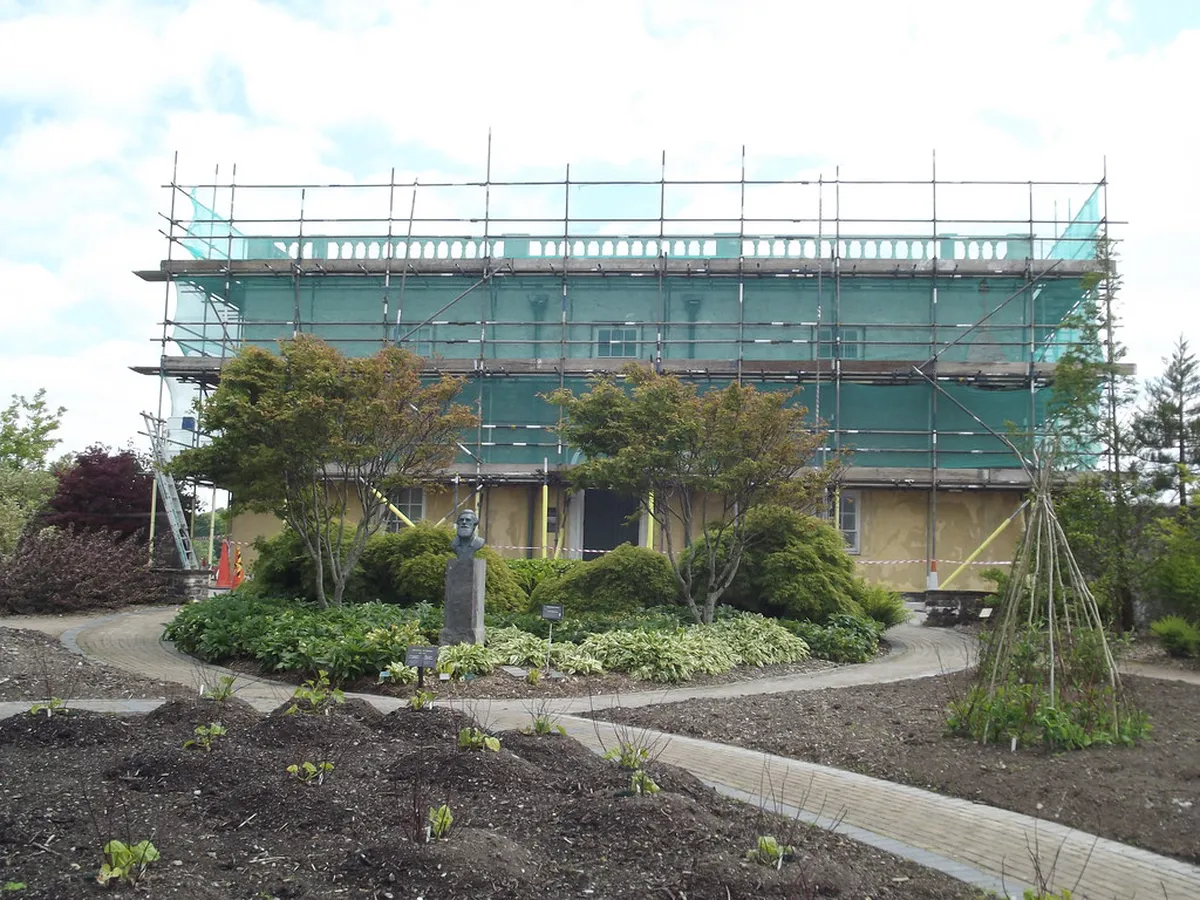
The Moving History of the Mutation Garden in Plzeň
The history of the Mutation Garden in Plzeň is a powerful story of resilience and peace. Known locally as the Meditation Garden, this site honors those who suffered under totalitarian regimes. It sits in the quiet Doudlevce district, offering a space for reflection and beauty. Many visitors come here to learn about the Meditation Garden Plzeň visiting info before their trip. This guide explores the deep roots and unique features of this spiritual landmark.
The Origins and History of the Mutation Garden in Plzeň
The history of the Mutation Garden in Plzeň began in a dark place. Luboš Hruška, a political prisoner, conceived the idea while in a communist jail. He vowed that if he survived, he would create a place of reconciliation. After his release, he transformed his family fruit orchard into this stunning landscape. This work took decades of manual labor and dedication.
Hruška started by removing hundreds of fruit trees to make room for decorative plants. He wanted the garden to serve as a "Memorial to the Victims of Evil." The site finally opened to the public after the Velvet Revolution in 1989. Today, it stands as a testament to human spirit and forgiveness. You can find more details about the Luboš Hruška memorial garden opening hours online.
The garden is not just a collection of plants; it is a work of art. Every sculpture and path has a specific meaning related to the founder's journey. It remains one of the most significant hidden spots in Plzeň for history buffs. Visitors often feel a profound sense of calm as they walk through the gates.
9 Essential Highlights of the Plzeň Meditation Garden
The garden offers a mix of artistic, religious, and natural elements. Each part of the site contributes to the history of the Mutation Garden in Plzeň. Here are the top items to see during your visit.
- Best overall: The Via Crucis
- Best for families: The Conifer Collection
- Best rainy-day: Chapel of St. Maximilian Kolbe
- Best free: Nearby Radbuza Riverside
- Name: The Via Crucis (Stations of the Cross) Type: sight Why go: It features 14 massive sandstone sculptures depicting the journey of Christ. Best for: Art lovers and history enthusiasts. Where: Throughout the main garden paths. Time: 30 minutes. Cost: Included in garden entry. Getting there: Walk the main circular path. Tip: Look closely at the facial expressions on the statues.
- Name: Chapel of Saint Maximilian Kolbe Type: indoor Why go: This modern chapel is dedicated to a martyr of the Holocaust. Best for: Quiet reflection and architecture fans. Where: Near the garden entrance. Time: 15 minutes. Cost: Included in garden entry. Getting there: Follow the signs from the main gate. Tip: Check for occasional acoustic concerts held inside.
- Name: The Conifer Arboretum Type: nature Why go: It houses hundreds of rare evergreen species from around the world. Best for: Nature photographers and botanists. Where: The northern section of the garden. Time: 20 minutes. Cost: Included in garden entry. Getting there: Follow the perimeter trail. Tip: Visit in winter to see the snow on the unique needles.
- Name: Memorial to the Victims of Evil Type: sight Why go: This is the central heart of the garden's message of peace. Best for: Understanding the local history. Where: Center of the complex. Time: 10 minutes. Cost: Included in garden entry. Getting there: Located at the junction of the main paths. Tip: Read the plaques to understand the founder's intent.
- Name: The Reflexive Ponds Type: nature Why go: These small water features create a peaceful soundscape. Best for: Relaxation and bird watching. Where: Tucked away in the shaded corners. Time: 15 minutes. Cost: Included in garden entry. Getting there: Look for the lower terrace area. Tip: Sit on the nearby benches for a quiet break.
- Name: Luboš Hruška’s Original Orchard Type: experience Why go: See the few remaining trees from the garden's early days. Best for: History enthusiasts. Where: Near the back boundary. Time: 10 minutes. Cost: Included in garden entry. Getting there: Head to the far eastern edge. Tip: Imagine the effort it took to clear this land by hand.
- Name: The Entrance Gate Art Type: sight Why go: The gate itself is a beautiful example of metalwork. Best for: Design fans. Where: Main entrance on Hruškova street. Time: 5 minutes. Cost: Free to view from outside. Getting there: Accessible directly from the street. Tip: Arrive early to photograph it without crowds.
- Name: Seasonal Flower Displays Type: nature Why go: The garden changes color dramatically every season. Best for: Return visitors. Where: Flower beds near the chapel. Time: 15 minutes. Cost: Included in garden entry. Getting there: Central garden area. Tip: May and June offer the most vibrant blooms.
- Name: Radbuza River Path Type: day trip Why go: A beautiful walking trail that connects the garden to the city. Best for: Hikers and cyclists. Where: Just outside the garden walls. Time: 1-2 hours. Cost: Free. Getting there: Exit the garden and head toward the river. Tip: Walk back toward the city center for great views.
Planning Your Visit to the Mutation Garden in Plzeň
Visiting the garden is easy if you plan ahead. It is located in the Doudlevce neighborhood, south of the city center. You can take bus number 30 or 21 to reach the area quickly. Most people spend about two hours exploring the grounds and the chapel. For more travel ideas, check out the Visit Plzeň tourism board website.
The garden is usually open from April through October. During the winter, it may have limited hours or be closed for maintenance. Always check the official schedule before you travel. The atmosphere is very respectful, so keep noise to a minimum. This ensures everyone can enjoy the peace that Luboš Hruška worked so hard to create.
If you have extra time, consider exploring other local history. The Plzeň historical underground secrets offer a different perspective on the city. You can also visit the Plzeň Region official site for regional events. Combining these sites makes for a perfect day trip in the Czech Republic.
Frequently Asked Questions
What is the history of the Mutation Garden in Plzeň?
The history of the Mutation Garden in Plzeň centers on Luboš Hruška. He was a political prisoner who transformed his family orchard into a memorial. After his release from jail, he dedicated his life to creating this space of peace and reconciliation for victims of evil.
Is the Mutation Garden free to enter?
There is usually a small entrance fee to help maintain the grounds. Prices are very affordable for international travelers. The funds support the upkeep of the rare plants and the chapel. Check the official city portal for the most current pricing before your visit.
How do I get to the Meditation Garden from Plzeň center?
You can reach the garden by public transport in about 15 minutes. Take trolleybus 14 or bus 30 to the 'Tyršův most' or 'Hruškova' stop. It is a short walk from the stop to the garden entrance. Walking from the center takes about 45 minutes.
The history of the Mutation Garden in Plzeň is a moving tribute to the human spirit. Whether you seek quiet reflection or historical insight, this site is a must-see. Plan your trip for late spring to see the conifer collection at its best. For more hidden gems, explore our guide on hidden spots in Plzeň today.
Official resources
Use these sources for official schedules, tickets, routes, and updates.
- Visit Plzeň — Official city tourism board; unverified source.
- City of Plzeň — Official municipal portal; unverified source.
- Visit Czechia — National tourism board; unverified source.
- Lonely Planet — Major international travel guide; unverified source.
- Pilsner Urquell Brewery — Primary industrial heritage site; unverified source.